What is an exercise ECG?
An exercise ECG (also known as a stress test) is when your heart’s electrical activity is monitored using an ECG machine while you are participating in a physical activity such as running. We will also monitor your blood pressure, heart rate, and oxygen levels alongside your heart’s activity. It allows us to monitor how your heart is performing under strain.
We usually perform this test to learn:
- How well your heart pumps blood through the arteries and whether your heart is receiving an adequate blood supply
- Comparing how you perform physical activity (riding a treadmill or stationary bike) with other people your age and sex
- If your symptoms can be reproduced while performing physical activity
We might also ask you to undergo an exercise ECG to assess the progression of a particular condition, or your recovery after previous heart treatment, including surgical procedures.
Preparation
In general, it is not recommended to apply oils, lotions, creams, or other skin care products to the skin of your chest before the appointment. These products can make it hard for the electrodes to stick to your skin or interfere with detecting your heart activity.
We recommend wearing light, easy-to-wear exercise clothing and shoes (preferably trainers) to feel as comfortable as possible while participating in the activity. You should also wear clothing you can easily remove, as you will need to have the electrodes fitted to your chest before starting the test.
We advise you not to smoke for 8 hours and not consume anything with caffeine 2 to 3 hours before the test.
Certain medications can interfere with the test. We will discuss with you what you are currently taking and whether we need to adjust them to perform the test. However, if you need an inhaler for an existing condition, such as asthma or COPD, you must bring your medication to the test for your safety.
Procedure
Before starting the test, we will take a reading of your heart rate, activity, blood pressure and oxygen levels at rest to compare these against the exercise results. We will then attach electrodes to your shoulders and chest, which are connected by wires to an ECG recorder.
You will use either an exercise bike or a treadmill, starting at an easy pace. As the test goes on, the incline or resistance will increase to make your heart work harder. While this happens, we will monitor your heart’s activity and check in on how you feel.
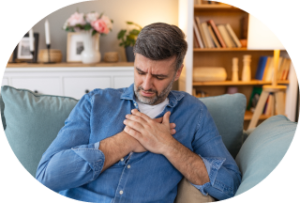
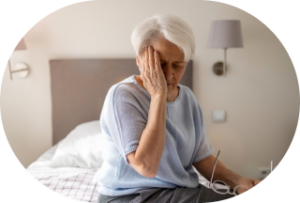
The exercise will continue until your heart rate reaches a target level. This should take no longer than 15 minutes. You may need to stop sooner if you are experiencing:
Please let us know if you are struggling during the test, and we will assist you. Don’t ignore how you are feeling, as your symptoms could indicate something serious.
After the exercise is over, you will be asked to stand still for a short while and then lie down. We will examine your heart monitor and breathing to assess how you are recovering after exercise. Once we have taken these results, you can continue with your regular activities unless specified otherwise.
Results and aftercare
Generally, there is no need for special care after an exercise ECG. You may feel tired for a few hours after the test, especially if you don’t exercise regularly, but this is normal. However, if you feel tired for more than a day, contact us immediately for a follow-up.
We will analyse these results and determine what may be causing your symptoms. Dr Assomull will explain the results and your next steps in a follow-up appointment. If your symptoms worsen or if you have developed new symptoms after the test, please notify us immediately.
Frequently asked questions
Is the test painful?
The test is not painful. You may feel discomfort from the blood pressure cuff or when sticky electrodes are removed from your skin. If electrodes stay on too long, mild skin irritation can occur.
Are there alternatives to an exercise ECG?
Yes. Depending on your risk factors and symptoms, we may recommend other tests, such as functional imaging (like echocardiography) or coronary CT angiography – especially if you are at higher risk for heart disease
Is the test safe?
Exercise ECGs are generally safe. However, there are some risks, including chest pain, irregular heartbeats, dizziness, low blood pressure, and, very rarely, heart attack or serious heart rhythm problems. Most complications are uncommon, and you will be carefully monitored throughout the test to ensure your safety.
 A stress test can reveal how your heart responds to physical activity, helping me understand your cardiovascular condition more. My goal is to give you complete confidence in your heart’s health.