Chest-related symptom
Many different factors, including heart-related conditions, can cause chest pain. Learn more about what to look for if you experience this symptom and when to seek medical advice.
Chest pain can be worrying, but we are here to help you. Our expert team can help you get to the bottom of what is causing your symptoms and give you a thorough, accurate diagnosis.
![]()

Dr Ravi Assomull, Consultant Cardiologist and Founder

Chest pain is discomfort or pain felt in the chest. It could be a sharp pain, a squeezing feeling, a dull ache, or pressure on the chest. It can also be felt on the left, right, or centre of the chest.
The pain can also spread to other parts of the upper body, including the arms, neck, jaw, stomach, or back. Pain in the chest can last for a few minutes, hours, or, in some cases, for six months or more.
Everybody experiences pain differently, and it can be difficult to describe what you’re feeling. However, it is important to seek medical help as chest pain can be a sign of something more serious.
Don’t ignore chest pain. There are times when immediate attention is needed, as it could be a sign of a serious issue.
If you notice that your chest pain is sudden, severe, and is felt in the centre or left side of your chest, call 999 or go to the hospital immediately.
Other signs you should call the ambulance or go to the hospital include shortness of breath, nausea, dizziness, unexplained anxiety, fatigue, palpitations, or cold sweats.
You are more likely to experience chest pain if you have a pre-existing heart condition.
If you also have high blood pressure, high cholesterol, smoke, are overweight or obese, and have had close family members with a history of heart attacks, you may be at a higher risk of experiencing chest pain.
Chest pain can be caused by a wide range of issues connected to various parts of the body, such as the lungs, digestive system, muscles, skeletal system, or mental. Some are related to the heart. If your chest pain is caused by a heart condition, it may be the following:
Common causes not related to the heart include heartburn, chest infection, injuries or inflammation, anxiety, shingles, and asthma.
Explore our interactive symptom finder to discover whether other symptoms you may be experiencing are a sign of a heart condition.

A heart attack occurs when blood is suddenly blocked from flowing to the heart, causing damage to the heart’s tissue.

Heart disease (also known as cardiovascular disease) is an umbrella term for conditions affecting the heart and blood vessels.
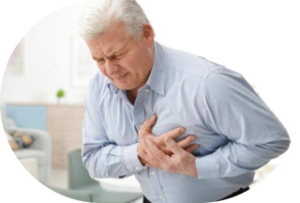
Heart failure is a condition in which the heart can’t properly pump blood around the body.
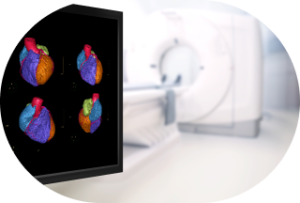
A CT coronary angiogram can help us examine heart arteries and assess your cardiovascular health precisely.
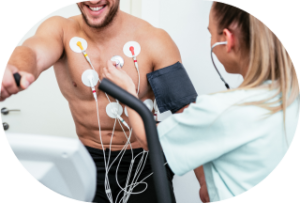
An exercise echocardiogram is a type of ultrasound scan. It helps detect how well your heart is working while you are participating in a physical activity such as running.
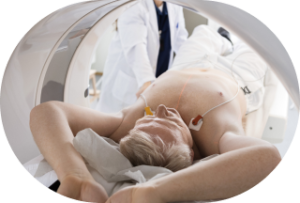
We can use MRI scans to see a detailed picture of your heart and blood vessels without needing invasive processes.
Looking after your heart is the most important thing you can do to improve your longevity and quality of life in the long term.
We’re here for you during your journey to better heart health. We provide tests and management strategies to help identify what might be wrong and where you can improve your lifestyle to reach prime heart health.
Book an appointment today to speak to our expert Integrative Cardiologist, Dr Ravi Assomull, about your heart concerns.
You can email us at: enquiries@cardiologist.london
Or call us at: 0203 576 2885