Dizziness can stem from many causes, but I assure you, most are treatable. If your dizziness is persistent or accompanied by chest pain or palpitations, let’s investigate to rule out any serious heart concerns. With the team and I, you’re in safe hands.

Dr Ravi Assomull, Consultant Cardiologist and Founder

This condition is when electrical impulses are blocked or delayed in your heart, affecting your heartbeat.

Heart disease (also known as cardiovascular disease) is an umbrella term for conditions affecting the heart and blood vessels.

A heart attack is when the blood supply to the heart gets blocked, causing damage to the muscle.
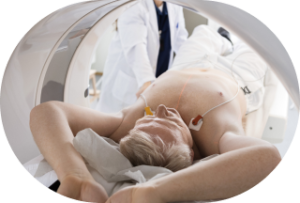
We can use MRI scans to see a detailed picture of your heart and blood vessels without needing invasive processes.

An echocardiogram is an ultrasound scan that shows the heart’s structure and surrounding blood vessels. It allows us to analyse how blood flows through them and assess the heart’s pumping chambers.

Ambulatory electrocardiogram (ECG) monitors are devices that help take readings of your heart’s electrical activity during your daily activities over a longer period of time.
Looking after your heart is the most important thing you can do to improve your longevity and quality of life in the long term.
We’re here for you during your journey to better heart health. We provide tests and management strategies to help identify what might be wrong and where you can improve your lifestyle to reach prime heart health.

Book an appointment today to speak to our expert Integrative Cardiologist, Dr Ravi Assomull, about your heart concerns.
You can email us at: enquiries@cardiologist.london
Or call us at: 0203 576 2885