What is confusion?
Confusion is the feeling of disorientation or being unsure about one’s surroundings, memory, or identity. It also affects one’s attention and ability to think clearly. It happens when there is widespread disruption to brain activity.
Confusion is often wrongly associated with experiencing small missteps, errors or inaccuracies. However, confusion, from a medical point of view, means something different. It is more related to the sensation of impaired thinking and awareness, which can significantly affect your day-to-day life.
Can the heart be involved?
While often associated with neurological conditions, confusion can also be caused by reduced blood flow to the brain, including from specific heart problems.
Causes
Some heart conditions can reduce blood flow to the brain due to the heart’s insufficient pumping of blood, which can cause confusion. These can include arrhythmias (such as atrial fibrillation), heart disease, heart failure, heart defects or other structural problems you may be born with, or a heart attack.
This can lead to symptoms such as:
- Mental fog
- Difficulty focusing
- Slower thinking
- Sudden disorientation
Common cardiovascular causes of brain and cognitive symptoms include:
| Heart conditions |
Impact on the brain, which may lead to symptoms |
| Heart failure |
If your heart isn’t able to pump enough blood, your brain might not get the blood and oxygen it needs. |
| Bradycardia or heart block |
Slower heart rates may not send enough blood and oxygen to your brain. |
| Postural hypotension or autonomic dysfunction |
Sudden drops in blood pressure. |
| Arrhythmias |
If your heart beats in an irregular or unsteady way, it might briefly reduce the amount of blood and oxygen reaching your brain. |
Explore our interactive symptom finder to discover whether other symptoms you may be experiencing are a sign of a heart condition.
When is it an emergency?
Confusion can be caused by various factors, often less serious ones, such as dehydration, migraines, low blood sugar, or certain medications.
However, experiencing confusion can also be a sign of more concerning issues, such as a stroke or a heart attack. If you experience chest pain, shortness of breath, nausea, dizziness, unexplained anxiety, fatigue, palpitations, or cold sweats alongside confusion, call 999 or go to the hospital immediately.
When to suspect it is caused by the heart
Confusion may be caused by heart problems if:
- It begins suddenly, without any prior memory or thinking problems.
- It happens after standing up, physical activity, or when you feel short of breath.
- It comes with a fast or irregular heartbeat, feeling dizzy, or fainting.
- Brain scans show no problems, but the confusion continues.
In older adults, these signs can sometimes be wrongly thought to be normal ageing or memory issues, but they might actually mean your heart isn’t pumping blood steadily.
If you notice any of these signs, it’s important to check your heart to help protect your heart’s health.
Tests and investigations
To assess if reduced blood flow to the brain is causing confusion, the following heart and circulation tests may be considered:
| Heart test |
Suspected cardiovascular cause |
| 24-hour ambulatory blood pressure monitoring |
To detect episodes of hypotension (low blood pressure) |
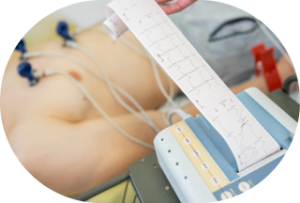
| ECG |
To identify bradycardia, pauses, or conduction abnormalities |
| Echocardiogram |
To assess ventricular function and stroke volume |
| Tilt table testing |
To check if standing up or automatic body processes are causing problems |
| Holter monitor or loop recorder |
To detect intermittent arrhythmias |
| Cardiac MRI |
For structural assessment, if heart failure is suspected |
| Blood tests |
To assess for heart failure |
Looking after your heart health
Confusion is often linked to problems in the brain, but sometimes it can come from heart or circulation issues, especially when brain scans look normal but the confusion does not go away.
For some patients, checking the heart carefully can reveal treatable blood flow problems that affect how the brain works
Book your consultation