Understanding the cause of your rapid heart rate is crucial for accurate diagnosis and treatment. I can develop a personalised plan to manage your heart rhythm.

Dr Ravi Assomull, Consultant Cardiologist and Founder
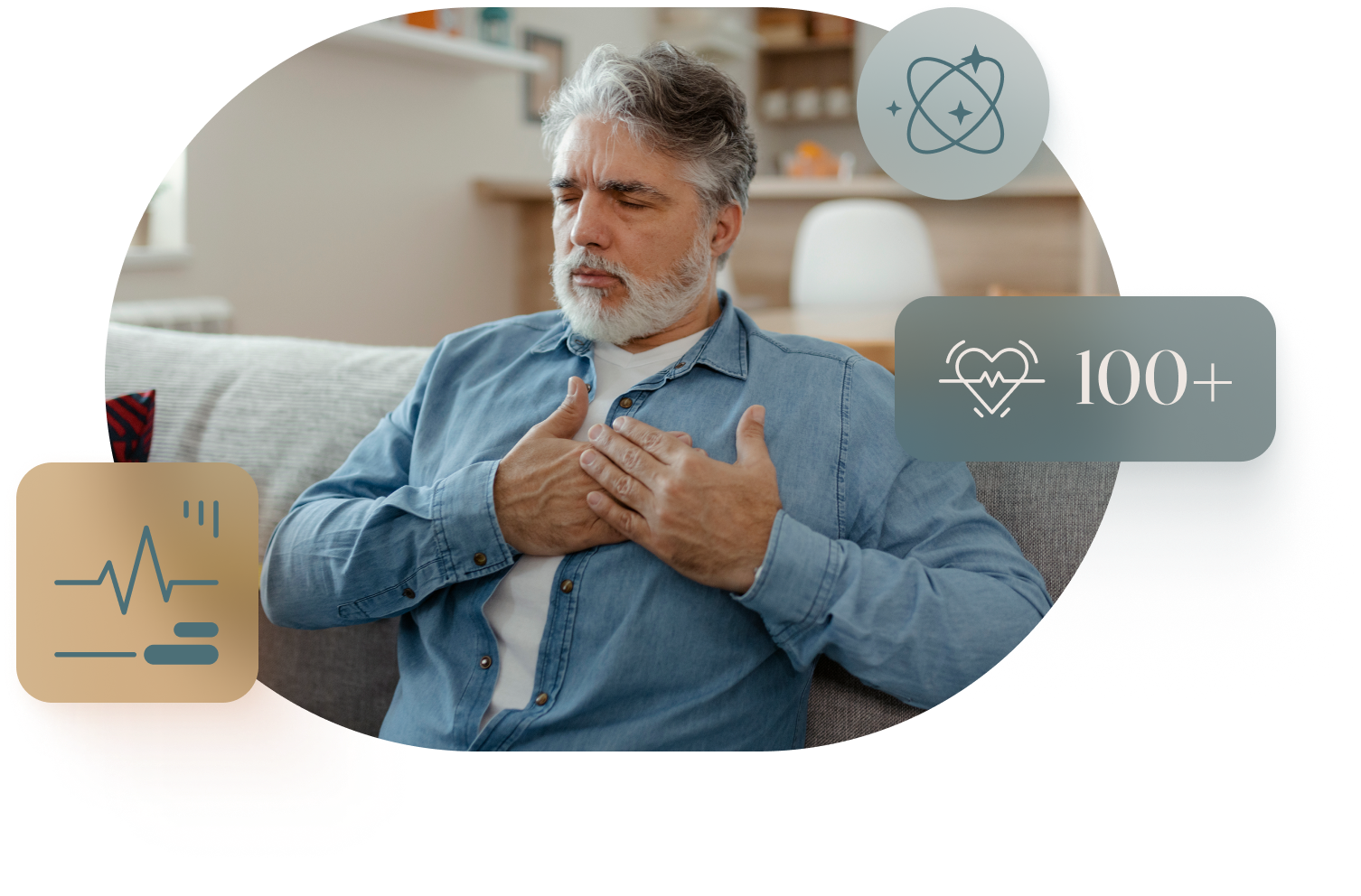
The feeling of your heart beating faster than usual can be concerning. It’s not usually anything to worry about. Still, if you experience your heart beating faster than 100 beats per minute and you’re not doing anything to cause it, we recommend investigating further.
If you come and see Dr Ravi Assomull, he will recommend the tests you need to get a diagnosis. Below, we discuss some of the most common heartbeat disorders where your heart beats faster.
Extra, or premature, heartbeats are beats that happen outside your normal rhythm. If you have a structurally normal heart, this is nothing to worry about. If your heart has structural abnormalities, this condition could indicate you are at risk of other, more serious conditions.
The most common causes of this condition are environmental. For example, if you have consumed too much caffeine or alcohol and if you are overly tired. Sometimes it can be caused by hormonal changes and viral infections. If you are concerned about your lifestyle, Dr Ravi Assomull can help you identify modifications that could improve your heart health significantly.
This condition causes an erratic heartbeat or a very fast one, where your heart beats over 150 times per minute. It is caused by problems with the signalling in your heart and can stop your heart filling with blood properly.
Modifying your lifestyle is an effective way of preventing SVT and managing it if you have it. This includes following a heart-healthy lifestyle and managing your stress. If your SVT continues, you may need specific treatments. This can include medication, cardioversion, or surgery, such as catheter ablation or a pacemaker.

Dizziness is the sensation of feeling off balance or light-headed. You may feel as though your surroundings or you are spinning or moving (called vertigo).

Shortness of breath is when you find breathing challenging, wheezing, or breathlessness. Other heart conditions such as angina, atrial fibrillation, and heart failure can all cause shortness of breath.

Heart palpitations are the feeling that your heart is fluttering, racing, pounding, or like you’ve missed heartbeats. Palpitations can happen anytime, even while resting, and may be felt in the chest, neck, or throat.
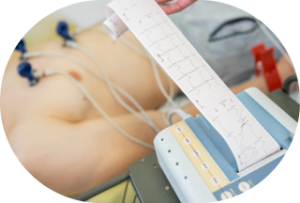
An electrocardiogram is a test that measures and records your heart’s electrical activity and rhythm, including the strength and speed of your heartbeat.

Blood tests help us assess how well your heart functions, identify risk factors and monitor certain heart conditions.
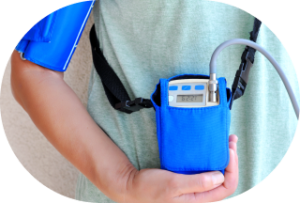
Ambulatory electrocardiogram (ECG) monitors are devices that help take readings of your heart’s electrical activity during your daily activities over a longer period of time.
Looking after your heart is the most important thing you can do to improve your longevity and quality of life in the long term.
We’re here for you during your journey to better heart health. We provide tests and management strategies to help identify what might be wrong and where you can improve your lifestyle to reach prime heart health.

Book an appointment today to speak to our expert Integrative Cardiologist, Dr Ravi Assomull, about your heart concerns.
You can email us at: enquiries@cardiologist.london
Or call us at: 0203 576 2885