
Heart disease (also known as cardiovascular disease) is an umbrella term for conditions affecting the heart and blood vessels.

A heart attack is when the blood supply to the heart gets blocked, causing damage to the muscle.
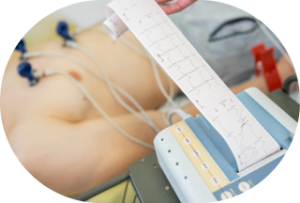
An electrocardiogram is a test that measures and records your heart’s electrical activity and rhythm, including the strength and speed of your heartbeat.

This test involves changing your position while strapped to a turning table to see how your heart rate, rhythm, and blood pressure respond.
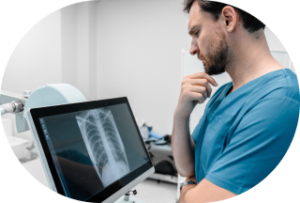
A chest X-ray is a scan that can provide images of the heart, lungs, blood vessels, and much more. It helps show us the size and shape of the heart and detect any abnormalities.

An echocardiogram is an ultrasound scan that shows the heart’s structure and surrounding blood vessels. It allows us to analyse how blood flows through them and assess the heart’s pumping chambers.
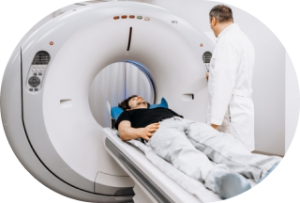
A heart MRI scan uses magnetic and radio waves to show detailed pictures of the inside of your heart. Like a CT scan, this test can show issues with the heart and the surrounding vessels.
Looking after your heart is the most important thing you can do to improve your longevity and quality of life in the long term.
We’re here for you during your journey to better heart health. We provide tests and management strategies to help identify what might be wrong and where you can improve your lifestyle to reach prime heart health.

Book an appointment today to speak to our expert Integrative Cardiologist, Dr Ravi Assomull, about your heart concerns.
You can email us at: enquiries@cardiologist.london
Or call us at: 0203 576 2885