What is atrial fibrillation?
Atrial fibrillation, also known as AFib or AF, is a condition that causes your heart to beat abnormally or too quickly. AF is a type of arrhythmia. This means your heart is not behaving as it should and is beating too fast or slow, or your rhythm is irregular.
There are different types of AF, including:
- Paroxysmal – When symptoms start and end without treatment
- Persistent – When symptoms last for longer than seven days (or when it’s treated)
- Permanent – When you always feel the symptoms and are typically getting treatment
- Long-standing – When you’ve had the symptoms for over one year, and they haven’t gone away
According to the British Heart Foundation, 1 in 45 people are affected by AF in the UK. This makes the condition one of the most common involving the heart nationally.
Symptoms
If you are affected by atrial fibrillation, you may not be aware. Some people don’t experience symptoms. In this instance, people usually discover their condition through regular checkups and investigations into other issues.
If you do experience symptoms, they may include:
You may also experience an atrial flutter alongside AF. This type of arrhythmia causes the heart to beat much faster than usual (reaching 300 bpm compared to the average 60 to 100 beats).
To learn more about symptoms of AF, watch this short clip below:
To learn more about the signs of atrial fibrillation, read our blog: ‘Recognising the signs: symptoms of atrial fibrillation you shouldn’t ignore‘.
Risk factors and complications
Irregular, rapid heartbeats caused by atrial fibrillation mean your heart doesn’t pump blood as efficiently as it should. This can cause blood to pool in the heart’s chambers. This pooled blood can form clots and, if it travels to your brain, can cause a stroke. People with AF are up to five times more likely to have a stroke than those without the condition.
The inefficient pumping caused by AF can also weaken the heart over time and lead to heart failure. Heart failure is when the heart can’t keep up with the body’s needs, causing symptoms like breathlessness, fatigue, and swelling.
Less commonly, AF can increase your risk of a heart attack and chronic kidney disease. With early detection and the right treatment, we can manage AF and significantly reduce these risks.
Causes
AF is typically caused by damage done to the heart’s tissue and disruption to its electrical system. This can be caused by other heart conditions such as high blood pressure, heart disease, pericarditis, cardiomyopathy, or having had surgery on your heart.
Other factors that can influence your risk of developing AF include stress, diabetes, consuming excessive alcohol or caffeine, smoking, taking recreational drugs, or being overweight/obese.
Diagnosis
During your initial appointment, we will assess your symptoms and evaluate your medical and family history.
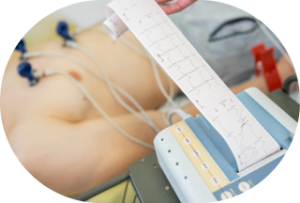
If we suspect you have a heart issue, we will investigate further to determine what may be troubling you. Some initial tests we may perform include blood tests, an electrocardiogram (ECG), or an echocardiogram.
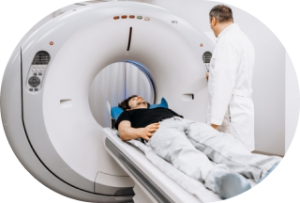
If we need to do further investigations, we may suggest a heart CT scan or using an ambulatory ECG monitor.
Treatment options
If we have determined that you have AF, we will discuss with you some treatment options suited to your needs. This may include holistic lifestyle changes, medication, or, in necessary circumstances, surgery.
Our first treatment suggestion will be to implement key lifestyle changes to ensure you are as healthy as possible and naturally reduce your risk.
We are partnered with Anthem Healthcare, which offers expert-formulated health plans to improve the heart and achieve your fitness goals. Learn more here and start your journey to becoming your best self.
 Living with atrial fibrillation can be daunting, but you’re not alone. Our team is here to guide you through every step of your journey. You can live a full, active life with the right care and management.