
 I believe that changing your lifestyle is a powerful treatment to alleviate your symptoms and improve your overall quality of life.
Often, changes to lifestyle and day-to-day habits are overlooked concerning heart treatment. However, they are vital to helping control and slow your condition, ease your symptoms, and improve everyday living.
Working on improving your lifestyle can boost your quality of life and make a real difference to your health.
Some key ways you can improve your heart health naturally are listed below.

Dr Ravi Assomull, Consultant Cardiologist and Founder
Diet
Diet is integral to maintaining good heart health, as balancing the right amount of vitamins, minerals, and other nutrients can encourage lower blood pressure and cholesterol.
A strict, limiting diet that excludes certain food types can be just as unhealthy as eating whatever food you like. This is because you are not consuming all the nutrients needed to function healthily.
To ensure you are getting the right amount of vitamins and minerals, it is essential to maintain a balanced diet, which involves eating more fruits and vegetables and reducing the amount of saturated fat, sugar, and salt.
Through our integrative approach, we work with you to understand your current eating patterns and the specific nutritional factors that affect your cardiovascular risk to provide practical, long-lasting changes that fit your lifestyle and preferences.
We can also connect you with professional dieticians who understand cardiovascular health and create personalised nutrition plans. Following the ‘Eatwell guide’ can help you stay on track with a healthy diet, as it visually breaks down the healthy amounts of each food group.
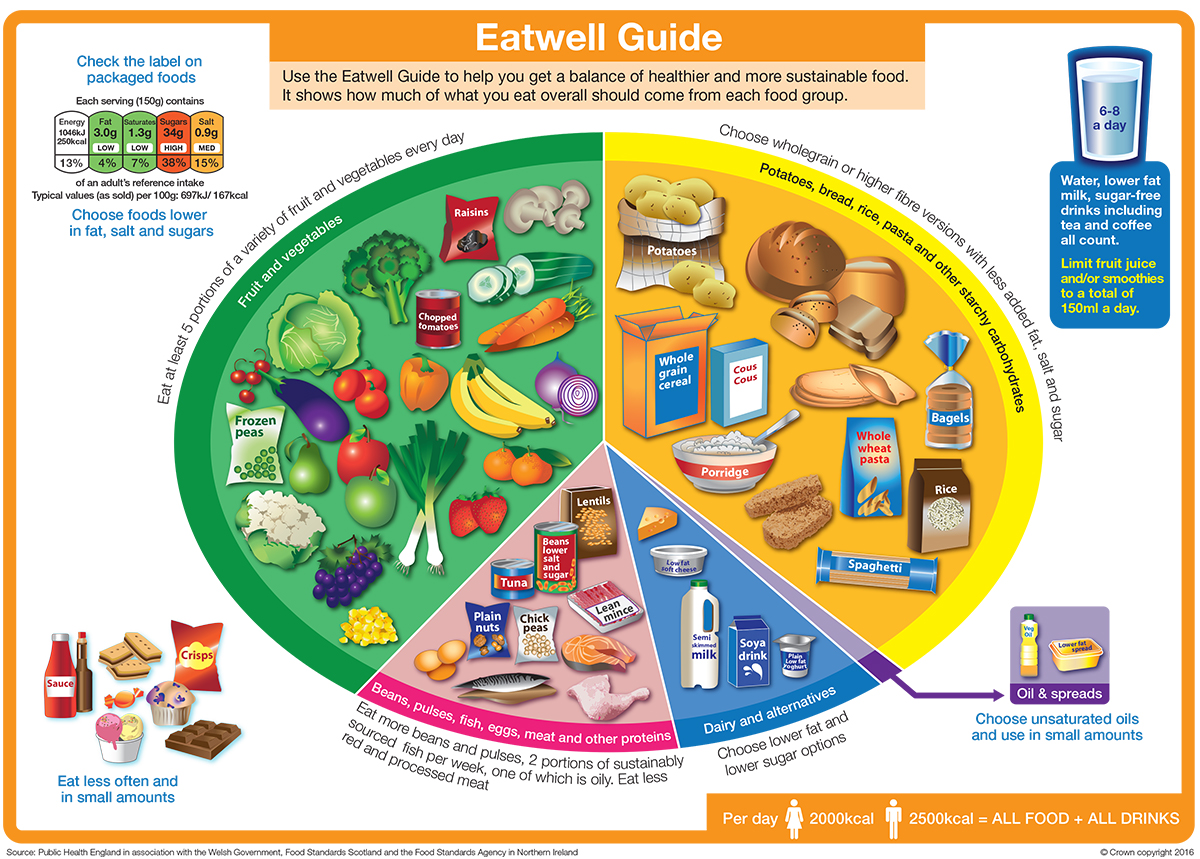
Making sure you’re correctly hydrated can also affect your heart condition. For example, if you have heart failure, you can retain too much fluid in the body. Therefore, it is essential to talk to healthcare professionals about what a healthy amount of fluid is for you and your condition.
Click to view our nutritional guide for managing and maintaining good metabolic health.
Exercise
Ensuring you are active can be difficult with a heart condition, as symptoms can limit your ability to move with ease. However, taking part in exercise and movement can make sure you are healthy and prevent you from developing chronic conditions such as type 2 diabetes.
Prolonged sitting can put you at risk of weight gain and lead to an early death. Aiming for 2 hours 30 minutes to 5 hours of moderate-intensity aerobic exercise or 1 hour 15 minutes of vigorous exercise per week is ideal for improving your general health. It is best to spread this time over the week to reduce time spent sitting or lying down day-to-day.
Some examples of moderately intense aerobic activity include:
- Riding a bike
- Dancing
- Tennis
- Hiking
- Rollerblading
- Brisk walking
Vigorous exercise includes:
- Running
- Swimming
- Sports such as football, rugby, netball, and hockey
- Aerobics
- Gymnastics
- Martial arts
Working with a personal trainer can help structure your exercise routine and formulate a plan that meets your condition and individual needs.
Click to view our beginners guide to fitness infographic
Stress and mental health
Stress and poor mental health are some of the biggest triggers of heart symptoms and the development of certain heart conditions. Working on improving your mental health and managing stressors is an effective way of helping to reduce your symptoms and manage your condition.
Some well-being practices you can do to help ease your mind include:
- Yoga
- Meditation
- Taking up a hobby
- Journaling your feelings and thoughts
- Cut back on social media and internet consumption
- Spending time with loved ones, e.g. your partner, family, or friends
- Taking it easy on difficult days – not pushing yourself and feeling worse
Getting outdoors in nature can also boost your mental health. Studies have proven that it helps you relax and disconnect from the stressors of your day-to-day life. Being outdoors in the sun also increases your intake of vitamin D, which is linked to influencing your mental health.
If you experience a mental health condition such as depression, anxiety, or bipolar, these changes may not be enough. If you are making lifestyle changes and aren’t seeing an improvement in your mental well-being, you should consider seeking professional support from a therapist or a psychologist to discuss your concerns and get the medication you may need.
Sleep management
Getting enough sleep is essential, especially for your heart. Studies have shown a link between a good night’s rest and a reduced risk of coronary heart disease. So, having a solid sleep routine can help reduce your heart risks and improve your general health.
With our integrative approach, we discuss sleep duration and quality, sleep disorders such as sleep apnoea, symptoms of sleep disorders such as snoring, and sleep hygiene practices. This will help us better understand your overall cardiovascular risk and develop tailored treatment plans.
Research has found that a minimum of 6 to 8 hours of sleep per night is optimal for a healthy heart. Ways to improve your sleep routine include:
- Winding down about an hour before sleep
- Make your room as comfortable as possible
- Keep any devices, like laptops, phones or tablets, out of the bedroom
- Aiming to eat your last meal or snack at least 3 hours before bed
- Avoid exercise just before bed
Quitting smoking, drinking or taking recreational drugs
Cutting out harmful substances such as cigarettes, alcohol, and recreational drugs is essential for improving your heart health.
These substances are not just harmful to your heart but negatively impact your overall health. Even infrequent use or consumption can have devastating effects.
It’s essential to seek professional help if you are struggling with any type of addiction. We understand addiction is challenging to manage, and being sober is a battle every day. Talking about your struggles can help you on your journey to recovery. Mind UK has a list of organisations you can join to help work through your condition. See here for more information.
Using smart devices to monitor health
Keeping an eye on your heart health is important to catching noticeable signs and symptoms of a developing issue. Smart devices such as watches, rings, and bracelets can monitor this in more detail. These devices can give heart rate readings on the go while you are doing your daily activities and give a good overview of how your heart is functioning over a longer period of time.
Home devices like portable ECG or blood pressure monitors can also read your heart’s electrical activity and blood pressure levels.
These are useful for helping to monitor your symptoms and keep an eye on your heart’s health if you experience a heart issue.
However, these devices are not as accurate as professional equipment. We recommend that you seek medical advice if you notice unusual readings from the smart devices and are experiencing symptoms.
Dr Ravi Assomull offers a wider range of tests to help provide accurate and thorough results alongside your smart device readings. Learn more about the range of diagnostic tests we can provide here.
Book your consultation with Dr Ravi Assomull today
Looking after your heart is the most important thing you can do to improve your longevity and quality of life in the long term.
We’re here for you during your journey to better heart health. We provide tests and management strategies to help identify what might be wrong and where you can improve your lifestyle to reach prime heart health.

Book an appointment today to speak to our expert Integrative Cardiologist, Dr Ravi Assomull, about your heart concerns.
You can email us at: enquiries@cardiologist.london
Or call us at: 0203 576 2885